

9-a-side football is a key format in youth football, designed specifically for Under-11 and Under-12 age groups.
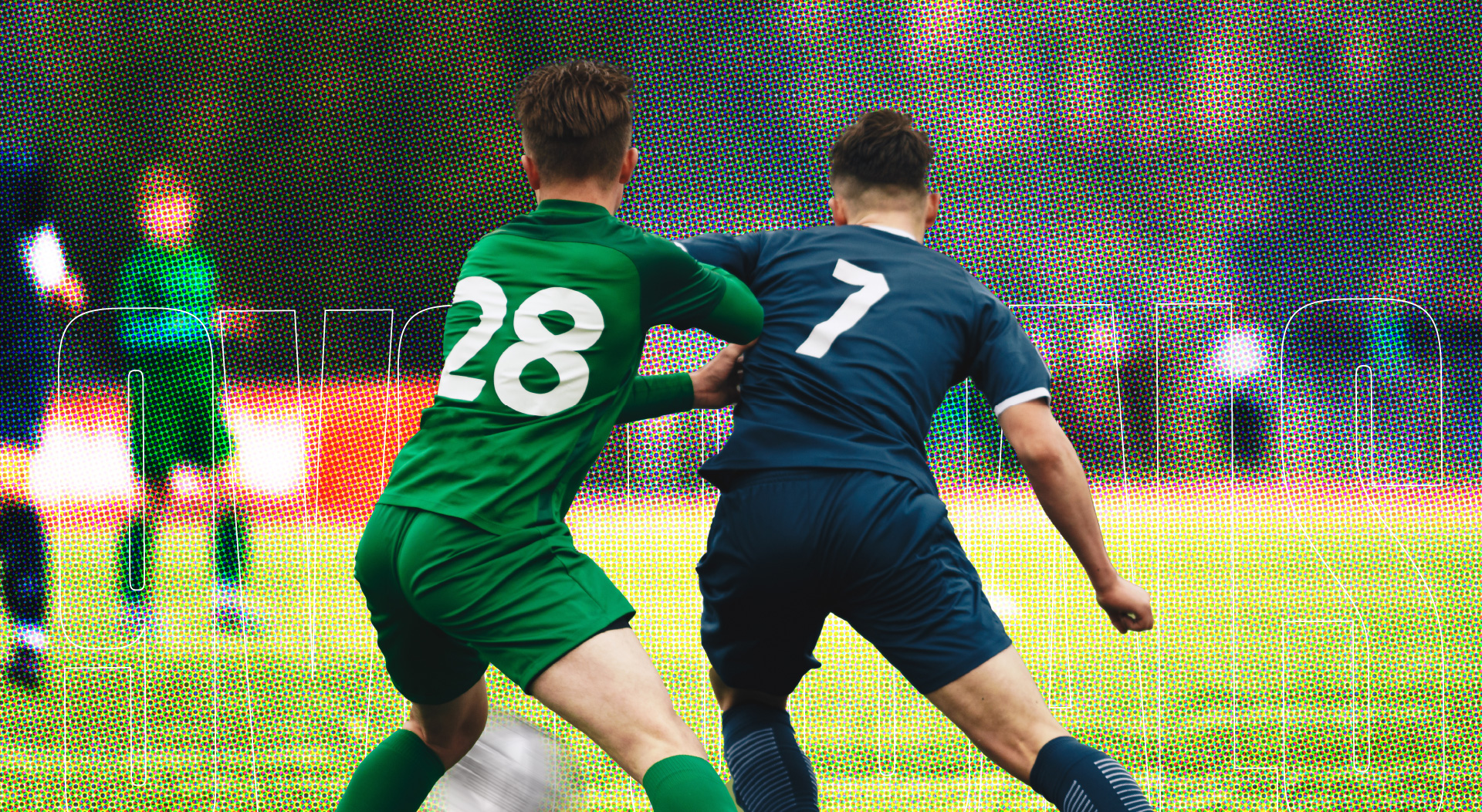
It bridges the gap between mini-soccer, which is played on smaller pitches with smaller teams, and full 11-a-side games, which begin at Under-13 level.
With a pitch size that’s tailored to their age and stage of development, this format gives young footballers more space to play in, but not on a scale that makes playing long passes and getting up and down the pitch too difficult. The 9v9 goal size works on the same principle – it is larger than mini soccer goals, but small enough to make defending them possible.
Whether you represent a grassroots club, a school, or a sports facility, choosing the right 9v9 goal posts is critical for safety, compliance, and performance. This guide to goals for 9-a-side football gives you a comprehensive breakdown of official dimensions, material choices, safety standards, available Football Foundation funding, and key factors to think about, so you can make an informed decision.
How big is a 9-a-side football goal?
The standard FA-recommended 9-a-side football goal sizes are 16ft x 7ft (4.9m x 2.1m) in England, and 16ft x 6ft in Scotland. This 9-a-side goal size is engineered specifically for U11 and U12 players, offering a proportionate physical challenge that encourages goalkeeping skill development without overwhelming players before they move up to the 21ft x 7ft goals (U13/U14) or senior 24ft x 8ft goals.
16×7 goals come in various types, including socketed, freestanding, self-weighted, folding, and fence-fixed options, so whatever your playing surface, ground type and usage requirements, there is a goal to suit.
What are 9-a-side football goals made of?
Goal posts are mainly manufactured from three distinct materials, each with its own benefits.
- Aluminium: These are durable, lightweight and naturally rust-resistant. This makes them the preferred choice for schools, grassroots clubs, and professional academies alike. Because they’re light, they are ideal for use on multi-sport pitches as you can easily move them from storage out to where you need them and back again once you’ve finished. They also have long-lasting weather resistance.
- Steel: Heavy-duty and exceptionally strong, steel goals are ideal for permanent socketed grass installations or public pitches where they need maximum frame rigidity and to withstand possible misuse and vandalism.
- uPVC: Goals made from uPVC (such as Samba 9v9 goals) are extremely light, completely portable, and weather-resistant. They are very well suited for junior practice, playing in the garden, or light school use, but won’t stand up to more rigorous play.
9-a-side football goal safety and compliance
Because 9-a-side goals are routinely used by children across schools, local parks, and sports centres, they need to meet rigorous safety standards to prevent tipping accidents and structural failures.
To be compliant, goalposts must meet British and European Safety Standards, specifically BS EN 16579:2018 (for youth and portable goals) and BS EN 748:2013+A1:2018. All freestanding 9v9 goals must be securely anchored using counterweights, ground pegs, ground screws, or socket fittings at all times during use. For more information on the testing, maintenance, and compliance you need to do, read our complete guide on Football Goal Safety Regulations Explained.
Is funding support for 9-a-side football goals available?
Yes, grassroots clubs, schools, and community facilities can apply for funding through the Football Foundation, which provides grants to upgrade equipment and replace non-compliant goals.
For 9V9 goalposts, the maximum grant amount available is currently £1,440 (inc. VAT) per set in 2026, or 75% of the total cost, up to the maximum grant value. This funding is for FA-approved, safety-tested goals only; non-compliant and non-certified posts will not qualify for grant funding.
What to consider when buying 9-a-side goal posts
When purchasing 9-a-side goal posts, you need to think about several factors:
- Pitch surface – do you play on grass, a 3G/synthetic pitch, or on a hard surface?
- Storage constraints – can you leave your goals out permanently, or do you need to store them when not in use? This will dictate whether you can use static goals such as socketed or fence-fixed, or whether you need folding or wheeled self-standing goals.
- Material durability – aluminium is highly durable, but for extreme strength, steel is a better choice.
- Safety standard compliance – all goalposts made by MH Goals meet the latest safety standards, so you can buy from us with confidence.
- Available budget or grant funding.
If you are not sure which 9v9 goal would best fit your ground or facility, then get in touch; we’re here to help. For a broader overview of choosing football goals across all formats, check out our Beginner’s Guide to Buying a Football Goal, or contact the MH Goals team today for expert advice and competitive pricing!